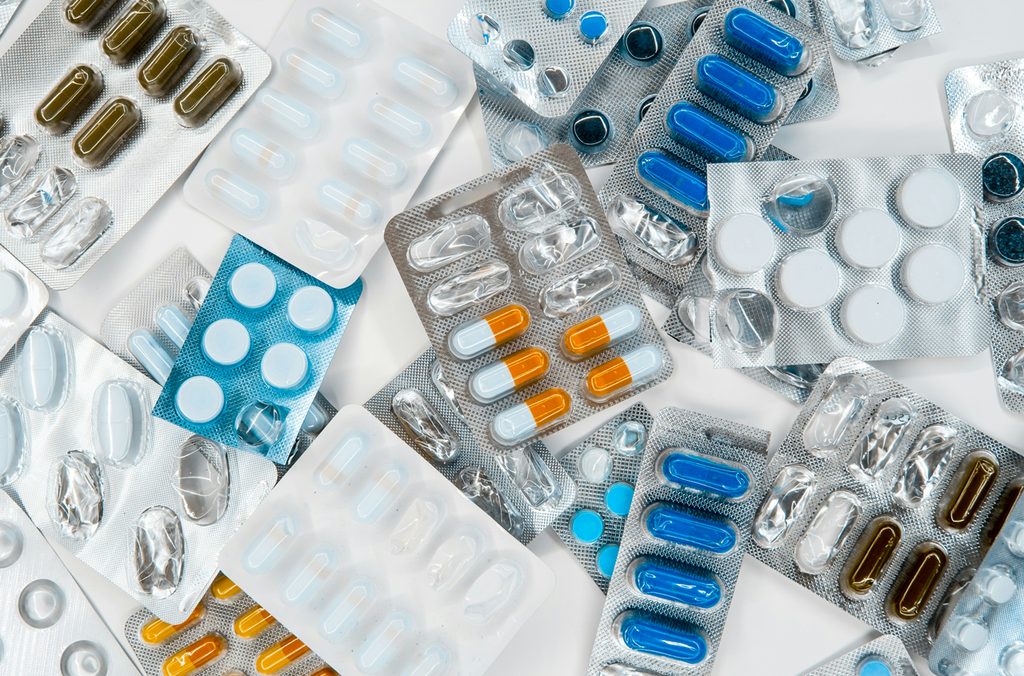
Misinterpretation the Name of a Medication Could Be Life-Threatening

Misinterpretation the Name of a Medication Could Be Life-Threatening

Though most prescription medications are approved and are used with no problems There are 237 million errors in prescriptions that happen within the UK in a single year. Although the majority of these mistakes are not serious and don’t directly impact the patient, a few may cause illness and even death. These causes can be varied. My research was focused on issues which arise due to confusion around identical drug names. This is not surprising, given that more than 8,000 generic medications and a plethora of brand-name medications are available in the UK alone!

One case from the UK that involved confusion about drugs’ names involved a person who was misled into prescribing hydromorphone in lieu of morphine. the drug that was five times stronger than the prescription given to the patient. The result was a chance of a fatal overdose, which eventually, the death of the patient while on returning home from the hospital.

This incident highlights the complexity of medical errors. As she was removing medications from the cabinet containing medicines the nurse was caught up in a conversation with a patient who was on the hospital bed. He was in a hurry and dropped a bottle with the label “Morph 10” into her bag, without checking its label and contents before handing it on the person. She was convinced that she was taking the right the drug because it was labeled “Morph 10”; therefore she believed that she gave the proper dosage (morphine).

It was true that she been taking the drug by accident since bottles with identical names were kept in the cabinet of medicine. Additionally the hospital did not have any guidelines regarding what to do with patients who had taken the medication. These factors all led to an increase in the likelihood of errors.

Human Error

Human error theories of the past distinguish the two methods of reducing mistakes: individual approaches as well as the more systematic strategy. In a personal viewpoint, nurses could be held accountable for acts that distract, are negligent or negligent. In a systemic view things that are not the nurse’s accountability are taken into consideration: Are the staffing levels of the department inadequate? Do follow-up procedures for important cases being adhered to? What is the reason that medications have identical names, but with different dosages stored and distributed in a similar manner? The situation is commonly called”the “Swiss cheese system” because patients are susceptible to errors and require several layers of security (multiple different layers of cheese) to stop errors from direct harming the patients.

There are many methods to avoid errors while prescribing medicines with identical names. These include electronic prescribing systems or bar codes, font and style when printing similar names (Tallman font uses capital letters to distinguish between similar active ingredients, e.g., hydroxyzine/hydralazine), reducing distractions and interruptions, and avoiding understaffing or overstaffing. Also, making sure that medications that have the same name do not share a storage space as well as avoiding overstaffing or understaffing completely is vitally important.

Languages That Are Confusing

If we look at medical mistakes caused by language processing and language processing, we can see that swear words and their usage is not merely a matter of swear terms. Another study investigated the effect on World Health Organization (WHO) recommendations on the names of drugs and the global language, such as propranolol which is beta-blocker that has roots ending with “-olol.” These drugs are divided into family members in order to allow consumers to identify and comprehend them the drug omalizumab (which, in turn, is similar to bevacizumab as well as trastuzumab (for instance).

Our study team discovered that the ambiguity in the guidelines caused an important contradiction. While the names used to describe chemical compounds were simpler to comprehend and understand, they employed letters that are often confused with substances that are similar to them.

The majority of analytical methods that we looked at revealed incorrect usage of plants for medicinal purposes, high-flow tubes or tubes were utilized in certain categories. There were also tubes or tubes were not able to provide targets to analyze in different types (differentiation of maraquiro wasn’t utilized) and therefore did not get utilized. We searched for online communities such as Medicinenet in depth and were informed that they use a different name, which is the reason reviewers’ comments can be unclear!

As part of our suggestions to the WHO and the WHO, we suggest improving the guidelines so that they are simpler to understand and be used by members states. As of now, the guideline is unclear and it is not guaranteed that any person will be following it. Only experts adhere to the guidelines. It is also recommended to check the names for errors before you approve the name – even if there is no evidence to support its an adoption process, despite the fact that WHO is launching the five-year mission to improve security of the patient to reduce side consequences of medications.

Medical mistakes can be devastating. If we understand their root causes and discussing preventive strategies to prevent them, we will be able to stop their spread and possibly slow their growth.
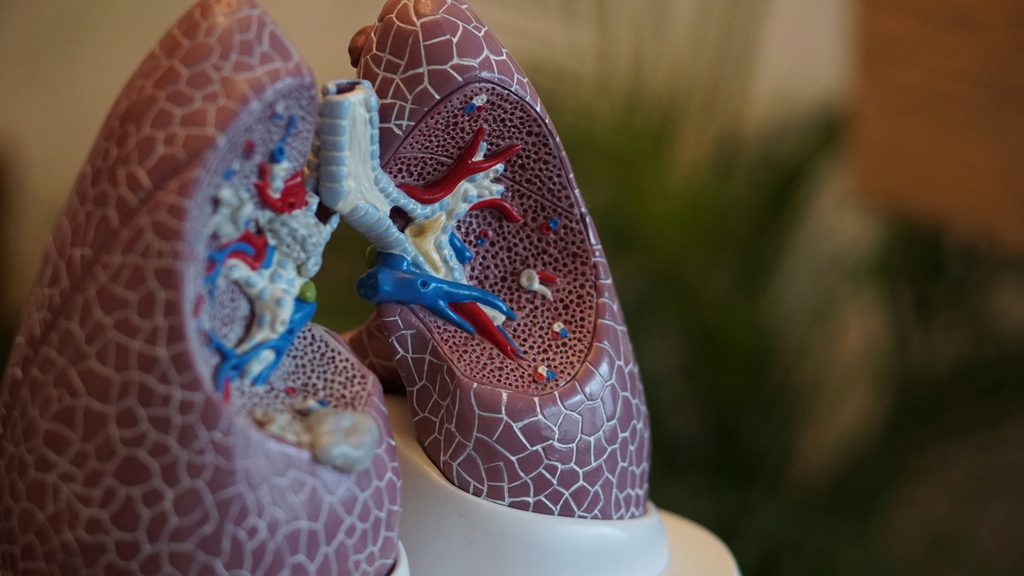

Studies Have Shown That There’s a Connection to ULEZ and the Growth of Lung Cancer in Children

There's a Connection to ULEZ and the Growth of Lung Cancer

London has introduced its Ultra-Low emission Zone (ULEZ) on the 1st of the year 2019 With a specific goal that was to cut down on car emissions and air pollution while making the air cleaner for everyone. At the time, it was unclear whether the change would provide real health benefits for Londoners.

The study we have just released in The Lancet Public Health, which you can read here: https://bisadepo5k.com/, indicates that it can have beneficial effects on lung development in children.

Between July 2018 to the month of April, we had enrolled 314 kids aged 6 to nine years old and tracked their progress for 5 years. The population is 1,664 in central London which is in the area where there was a restriction on the ULEZ zone was established in the year 2000, and 1,750 in Luton Another area with the same restrictions.

In the beginning of our research, prior to being introduced to ULEZ Children living in London were more exposed to high amounts of pollution from the air and lower levels of lung function than those in Luton. Function of the lung is evaluated through non-invasive breathing tests, like FEV1 that measures the amount of air that can be exhaled after taking a long breath.

In addition to other aspects (including the gender of children, their the ethnicity of children, their deprivation and if children suffer from asthma) After adjusting for other factors (such as gender, ethnicity, and asthma) the FEV for London children was 38 millilitres lower than counterparts in other areas of England as well as the average of exposure for the household to the nitrogen dioxide (NO3) pollution was considerably more pronounced.

Since the launch of ULEZ the air quality of both London as well as Luton increased significantly. The nitrogen dioxide levels in central London decreased faster than that in Luton (3.77 mg/m3/year, compared to only 1.77 all over the world).

In contrast, the children of London have improved their lung function quicker: The average increase in FEV1 each year was approximately 10ml higher than Luton However, initially, it appeared to be a minor variation. Lung development is a slow process. These tiny changes are accumulated during the early years of life and can affect long-term health in ways that are difficult to anticipate or measure at the moment.

When the period of follow-up, major shifts had abated; the FEV1 for children in the two countries was identical as was the hospital-based FEV1. (defined as being below the expected age) dropped from 14 14% to 8.8 percent in London instead of Luton (from 8.9 percent to 6.9%).

FVC (forced vital capacity) also known as lung volume determined using forced vital capacity in London children with a the baseline FVC lower than 55mL as assessed by Luton but his FVC was rapidly improved during the subsequent follow-up. At the time of completion in the research, their mean FVC was 25 mL less than those of Luton children.

A test for pulmonary function showed 100% recovery. The one that showed no improvement. The FVC is a measure of lung volume and physical dimensions, but not FEV1. Therefore, it takes longer to recover. It could be the reason why improvement have taken so long.

This is important as the development of children’s cardiovascular systems is poor and can lead to health issues later on in life.

The results suggested a possible process. For all the groups, the loss of body mass and functional traits was followed with an increase in body mass and size.

The main environmental concern was a rise in body fat, usually caused by a lower body composition. It’s not easy with the scorching heat that is that is sweeping across the nation, it’s quite simple to handle here, particularly with regard to safety concerns like the ULEZ.

Disease and Deterioration of Physiological Functions

Because it is an exploratory research study, rather than a controlled, randomized trial and I am unable to provide definitive basis for this assertion. The evidence suggests that the clean air with healthy lungs.

The ULEZ do not tell the complete tale: London and Luton had differing – and inequal – structure at the beginning of our investigation; notions about crime stem on norms of society that are not tolerant of the accessibility of other resources, like education, public transport, or furniture.

This has also impacted the closure of schools. The study did not examine whether the effects of this affected interpretation however, our findings are similar.

It is not difficult to describe these changes through the Convention due to its character and its location (seasonality that is rapidly growing criminality rates and the historical changes between rural and urban regions) This explanation could be misinterpreted.

The travel policies should also consider the safety issues. The pollution levels caused heated debates about the affordability, affordability, and affordability. Issues that need to be dealt with by offering coverage for lowas well as high-income users. Another important aspect is to consider for the health of children.

The children who are addicted to drugs don’t come from places in which drugs are plentiful.

In central London there’s lots of traffic. A lot of youngsters play and study on the public roads; consequently many of them are living in poverty despite paying only a small amount to their families. add to this environmental pollution and it are a lot of problems.

In the past, Ian Mudway argued that ULG ought to be re-examined and improved implementation in the interest of health for the public. Our research supports this assertion and provides some advantages also for consumers that warrant further study.

Clean air can’t solve every urban health issue however, our research suggests that cutting down on air pollution could improve the health of children. It is an investment that can pay dividends with time.

Denmark and UK: Which Country Has Better Healthcare Facilities at the Same Cost

Denmark and UK: Which Country Has Better Healthcare Facilities

Both Germany as well as the UK both boast of the universal health care system in which no patient is denied treatment or is left with excessive charges upon leaving They both adhere to the notion that a patient’s location of birth or their income shouldn’t dictate the outcome of their life – a concept that’s not widely accepted within either of the countries.

Germany is spending more per person in healthcare in comparison to the UK and boasts one of the most comprehensive quality social welfare programs, yet it always outperforms the UK in important indicators like length of hospitalization, first year survival rate, and the rate of survival at the age of 65 following an illness such as cancer. Does German expenditure alone account for the difference or are there other variables involved?

The most recent UN report has some suggestions. While the UK has a greater share of its GDP (11.1 percent against. 9.4 percent, respectively) in healthcare expenditures as compared to Germany (9 percent and 9.4. 9.4 percent) Adjusting for gender inequalities, costs of living and actual expenses isn’t applicable to Germany. Even though the law boosts healthcare spending only by a small portion of the total economy, it is evident that per-capita expenditure is typically lower! While total expenditure is growing, the total expenditure per person remains relatively low even though healthcare accounts for a growing portion of total expenditure!

As for riches, Denmark seems to have acquired healthcare without cost. According to OECD the life expectancy of Denmark can be 1.8 years more than the UK and has 400 million kids surviving the first year of their life as well as 5-year mortality rates for endometrial cancer (more than 9 out of 100 women) as well as colorectal cancer, is higher than the UK. In addition, a majority of Danes think they have the right to receive treatment should they require this, a position that is in stark contrast with other European countries.

But a deeper look will reveal evidence that is in opposition. Denmark is ahead of in the UK when it comes to investing in earlier diagnosis and treatment along with the policy of economic and social health However, the UK is not as advanced in these areas. Furthermore, investments vary across the UK.

The significant investments in treating cancer has led to an increase of 29 CT scans MRI scans, and PET scans for the population per million as compared to the UK. Despite the significant funding for the screening of breast cancer as well as preventive campaigns, just 17 percent of Danish women undergo screening for cancer of the breast. It’s an impressive increase compared to the average of six test per week in UK. A cancer diagnosis early can have a significant impact on your.

The lifestyle also has a part to play as well: More Britons than Danes are overweight. being overweight can increase the risk of developing serious illnesses, which require extra care and treatments, and illnesses like cancer, lung and heart disease.

While the proportion of people who smoke and drinkers could be the same, Danes work more and are less subject to the air pollution of many OECD nations (23 for every 1,000 adult versus an average of 88 per 1,000 for the UK) which results with a higher difference in the amount of health care expenditure.

Across The Hospital

The majority of people who are sick do so outside of hospitals because of a range of factors such as social issues that impact education, socioeconomic standing, and interpersonal relationships and lifestyle aspects which affect the health of patients. As Denmark as well as the UK provide social aid through taxation in order to satisfy the requirements of their residents, Denmark is considered one of the more inclusive welfare systems around the globe today.

Denmark is one of the OECD countries with respect to income equality. Almost all youngsters aged 3 to 5 (97 percent) are able to access appropriate schooling; and university education is available for free to Danes as well as being legally entitled to paid maternity leave and paternity leaves of at least one year. Furthermore to this, there are various forms of social assistance; these aspects contribute to the very high degree of equality for Danish citizens.

Denmark is home to the social welfare system in Denmark that operates on the basis of social welfare and counteracts inequality in the provision of access to services (where the country of residence affects the access to these benefits).

The UK experiences are different. Since 2010 it has been clear that since 2010, the UK government has faced problems with its economy, which has led the policymakers to encourage measures to decrease social welfare, instead of considering it an investment into society like in Denmark. Instead of confronting the weaknesses that exist in the National Health Service (NHS) the government has acknowledged that the increasing inequality of income and social status cause poor health outcomes.

Denmark is moving in the right direction in several ways, yet has a lot of obstacles to overcome. Inequality in health among different categories of individuals are increasing Men with higher earnings are healthier than people who earn less, while people with lower education levels have less time to live due to illnesses like heart diseases or stroke.

However, Denmark is more expensive per head and the people that are admitted to hospitals have better health than the UK due to the many years of social policy which have improved health as well as reduced inequalities and better housing. It is not the NHS in itself. This has also made it easier to practice preventive medicine in Denmark. NHS spending on itself may not solve the social and economic problems that come up prior to the time people are admitted to hospital.

Denmark as well as the UK share the same goals for improving health and wellbeing however, Denmark has proved to be more efficient in comparison to the UK in achieving that goal. The health reforms in Denmark are thorough, with a focus on individuals’ health through choices made by the people in their community, rather than focusing on the things that happen at clinics or hospitals.

The Danish policies and programs are promoting a healthy lifestyle for a long time. While the UK has similar objectives at the time that the NHS was created in 1948, the progress hasn’t been as fast as it was in Denmark because the healthcare system has evolved; however, the distinction between Denmark and Denmark persists even today.

Copyright © 2026 Home – Supportive Care Option

Theme by Anders NorenUp ↑